Fashion has always made a statement, but in California, it's now making legal history. In 2024, Governor Gavin Newsom signed SB 707, the Responsible Textile Recovery Act of 2024, into law. It is the first extended producer responsibility (EPR) law for textiles in the United States — and its real-world impact is beginning to unfold in 2026.
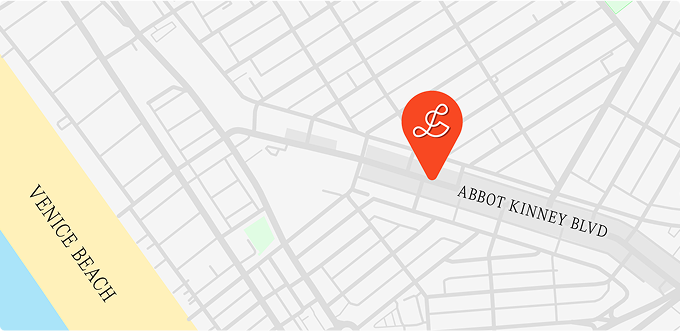
If you shop for clothing in California — whether you're a local, a tourist browsing eco-friendly fashion in Venice Beach, or an online shopper buying from California-based brands — this law will shape what fashion looks like for years to come. Here's everything you need to know, explained simply.
What Is California's Responsible Textile Recovery Act (SB 707)?
SB 707 is a landmark piece of environmental legislation that shifts responsibility for textile waste away from consumers and local governments — and places it squarely on the brands, manufacturers, and retailers that create and sell clothing in California.
Before this law, when you threw away a worn-out jacket or a fast-fashion top, the cost of disposing of it was paid by taxpayers through landfill management. Under SB 707, the companies that made and sold that garment are now legally responsible for its entire lifecycle — from production all the way through collection, repair, reuse, and recycling.
California disposes of approximately 1.2 million metric tons of textiles every year — about 3% of all municipal solid waste. Textile waste has become one of the fastest-growing parts of the state's landfills, driven in large part by the rise of fast fashion.
Key Deadlines: What's Happening and When
The law has a phased implementation timeline. Here's a clear breakdown of what's already happened and what's coming:
2024 — The Law Is Signed
Governor Newsom signed SB 707 on September 22, 2024, making California the first U.S. state to establish a textile EPR program. The law covers apparel, footwear, swimwear, undergarments, handbags, bedding, towels, and other household textiles.
February 2026 — The PRO Is Approved
On February 27, 2026, California's Department of Resources Recycling and Recovery (CalRecycle) officially selected Landbell USA as the state's sole approved Producer Responsibility Organization (PRO). This is the body now responsible for building out California's statewide textile collection and recycling infrastructure.
July 1, 2026 — Brands Must Comply
This is the first major compliance deadline. All qualifying apparel and textile producers — meaning any brand with over $1 million in annual global sales that sells in California — must register with Landbell USA by July 1, 2026. Failure to do so risks fines of up to $10,000 per day, and up to $50,000 per day for intentional or repeated violations.
Note: Secondhand sellers and businesses with under $1 million in annual turnover are exempt from these requirements. This means stores like Circular Library, which specializes in eco-friendly fashion in Venice Beach through circular and secondhand models, are not subject to producer registration obligations.
2027–2030 — Infrastructure Builds Out
• By March 2027: Landbell USA must submit an assessment of California's textile reuse and recycling needs.
• By July 2028: CalRecycle must adopt regulations to implement the full stewardship program.
• By July 2030: The full stewardship program goes live — including free, permanent clothing drop-off sites across every county, mail-back options, repair programs, and recycling infrastructure.
What Does This Mean for You as a Shopper?
The short answer: SB 707 doesn't require consumers to do anything differently right now - but it will change what the brands you shop with are responsible for. Here's how it affects you:
1. More Accessible Clothing Drop-Off Sites
By 2030, the PRO is required to establish a minimum of 10 permanent collection sites per county across California, or one site per 25,000 people (whichever is greater). That means more convenient locations to drop off old or unwanted clothing — not just donation bins, but proper textile recovery points.
2. Brands Will Be Accountable for Garment End-of-Life
Under SB 707, brands selling fast fashion or hard-to-recycle garments (like synthetic blends or items containing PFAS chemicals) will pay higher eco-modulated fees. Brands that design for durability, repairability, and mono-material construction will pay less. This creates a direct financial incentive for brands to make better products — which benefits shoppers in the long run.
3. Greenwashing Becomes Harder
Because brands must now report what they produce and what they're doing to manage its end of life, vague claims like sustainable or eco-friendly will face more scrutiny. Shoppers will have better tools to hold brands accountable.
4. A Signal Toward a More Circular Fashion Future
SB 707 is designed to push the industry toward a circular economy, where garments are repaired, reused, and recycled rather than discarded. For shoppers who already believe in eco-friendly fashion and beyond, this law validates that approach at the policy level.
How to Shop More Circularly Right Now — Without Waiting for 2030
You don't have to wait for the law to fully kick in to make a difference. Here are practical steps you can take today:
1. Buy secondhand first. Circular and resale models are exempt from SB 707's producer fees, which tells you exactly where the law draws the ethical line. Shops like Circular Library in Venice Beach are built around this principle.
2. Choose quality over quantity. Durable, natural-fiber garments last longer, are easier to repair, and are more likely to be recyclable under future infrastructure.
3. Avoid mixed synthetic fabrics. Poly-cotton blends and elastane-heavy garments are among the hardest to recycle. Pure cotton, linen, wool, and cashmere are far better end-of-life.
4. Support brands taking EPR seriously. Look for brands that actively talk about material transparency, repair programs, and take-back initiatives — not just marketing buzzwords.
5. Use existing drop-off and donation channels. While the full SB 707 network won't be operational until 2030, LA already has a growing number of textile drop-off options. Check with local nonprofits and circular fashion hubs in your neighborhood.
Why California's Textile Law Matters Beyond State Borders
California is the world's fifth-largest economy. What happens here rarely stays here. Legal experts and sustainability advocates widely expect SB 707 to become a blueprint for other U.S. states — and potentially a model for federal legislation.
France launched a similar textile EPR program in 2007. The Netherlands followed in 2023. The European Union mandated expanded textile collection across all member states by January 2025. California is now the American counterpart to this global shift — and eco-friendly fashion puts this community right at the leading edge of that movement.
Conclusion: The Future of Fashion Is Circular — and It Starts Here
California's Responsible Textile Recovery Act is one of the most significant pieces of fashion-related legislation in U.S. history. For shoppers, it means the brands you buy from will be held to a higher standard. For the planet, it means fewer garments ending up in landfills. And for communities that have long championed eco-friendly fashion, like the one that gathers around Circular Library, it means the broader industry is finally catching up.
If you're looking to get ahead of this shift, or simply want to shop in a way that already aligns with where California's laws are headed, we'd love to welcome you at Circular Library in Venice, Los Angeles. Explore our curated circular collection, browse sustainable cashmere and upcycled garments, or join one of our community events to learn more about what truly circular fashion looks like in practice. Your wardrobe choices are a vote for the kind of fashion future you want — and every conscious purchase counts.