If you’ve ever wondered how a single piece of clothing can live multiple lives, you’re not alone. At Circular Library, the heart of our mission is rooted in circular fashion, a system where garments are reused, repaired, reimagined, and recirculated instead of ending up in landfills.
Let us walk you through the complete lifecycle of a circular garment, from sourcing to reuse, and how this process helps people shop more intentionally and sustainably.
What Is Circular Fashion?
Before exploring the journey of a garment, it’s important to understand what circular fashion means.
In simple terms, circular fashion is a clothing system designed to:
-
Reduce waste
-
Extend the life of garments
-
Keep materials in use for as long as possible
-
Encourage mindful consumption
Instead of buying new clothes that eventually get discarded, circular fashion focuses on reuse, repair, upcycling, and responsible redistribution.
Step 1 — Responsible Sourcing
Every circular garment begins its journey through sustainable sourcing. At Circular Library, this occurs in a few ways:
1. Community Donations
Locals in Venice, Los Angeles, donate pre-loved clothing that still has life left in it. This helps keep high-quality pieces in circulation.
2. Supplier Partnerships
We collaborate with trusted suppliers who share our commitment to sustainability and responsible reuse.
3. Artisan & Designer Contributions
LA-based upcyclers and makers contribute one-of-a-kind items that are repurposed from existing materials.
This sourcing approach prevents usable clothing from ending up in landfills and supports the circular fashion ecosystem.
Step 2 — Careful Inspection & Curation
Once garments are sourced, the Circular Library team evaluates each piece carefully.
Clothing is checked for:
-
Fabric quality
-
Durability
-
Stitch integrity
-
Wearability
-
Potential for restyling
Only garments that meet quality standards move forward. Those needing improvement are repaired, cleaned, or creatively upcycled.
Step 3 — Restyling, Repairing & Upcycling
This is where the magic happens. Some garments enter the store exactly as they are—beautiful, timeless, and ready to be worn again. Others are:
Repaired
Minor fixes extend the life of a clothing item significantly.
Upcycled
Designers may reshape, dye, edit, or embellish pieces to give them a fresh new look.
Reimagined
Some garments are combined with other materials to create something completely new. This step embodies the creativity and eco-forward spirit of circular fashion.
Step 4 — Finding a New Owner
Once restored, curated, and displayed, the garment is ready for its next phase: reuse.
At Circular Library, customers discover garments through:
-
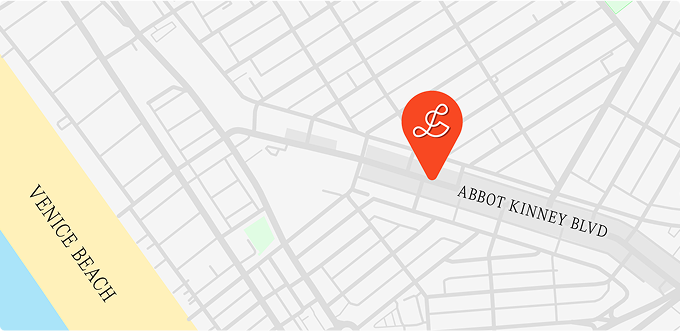
In-store browsing at our Venice, Los Angeles location
-
Our online shop features preloved and upcycled pieces
Each item is presented with care so shoppers can understand its story, materials, and environmental impact.
Step 5 — Extending the Life Cycle Again
The journey doesn’t end once someone buys the garment.
Circular fashion encourages customers to:
-
Wear pieces longer
-
Repair instead of discard
-
Resell, donate, or return for further circulation
-
Repurpose garments creatively
A garment may pass through several hands, each extending its lifespan and reducing environmental impact.
Conclusion
The lifecycle of a circular garment is more than a sustainability concept—it's a way for everyday people to shop with purpose and reduce waste. By understanding how circular fashion works, you can make more informed decisions and keep clothing in use longer. If you want to explore circular fashion firsthand or discover garments that have been thoughtfully curated and restored, visit Circular Library. We guide you through choosing pieces that not only look great but also support a healthier planet.