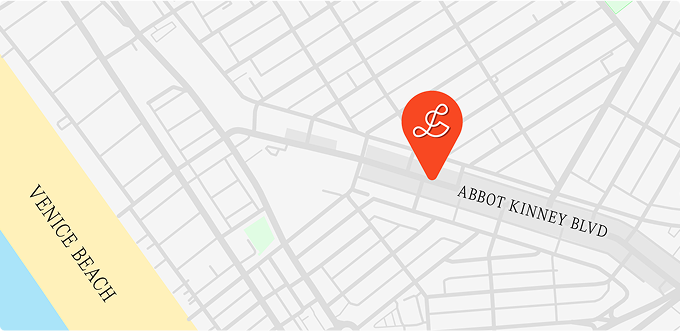
Deadstock fabrics are becoming a major part of the sustainable fashion movement—especially in creative communities like Venice, Los Angeles. At Circular Library, we value materials that not only look good but also help reduce waste. Deadstock fabrics offer both.
If you're curious about how fashion can be stylish and planet-friendly, this guide will walk you through what deadstock really means and why these materials matter more than ever.
What Are Deadstock Fabrics?
Deadstock fabrics are unused, leftover, or overproduced textiles that were originally intended for larger fashion brands or manufacturers but never made it into production. These rolls of fabric usually sit in warehouses, and without intervention, many eventually end up in landfills.Ritesh Kedia
Deadstock often includes:
-
Surplus fabric from overestimated production run
-
Material left behind from canceled orders
-
End-of-roll textiles that brands don’t consider worth using
-
High-quality designer fabrics that go unused
Instead of being thrown away, deadstock fabrics are purchased by small designers, upcyclers, and circular fashion brands who turn them into limited-run, unique clothing.
Why Deadstock Fabrics Matter in Sustainable Fashion
1. They Reduce Textile Waste
Millions of tons of textiles are discarded every year. By using deadstock, designers divert high-quality materials from landfills, reducing overall environmental impact. This aligns perfectly with the goals of sustainable fashion, where longevity and waste reduction come first.
2. They Support Local and Independent Makers
Los Angeles has a growing community of eco-conscious designers who rely on deadstock fabrics to create meaningful work. Many Venice-based creators—some of whom partner with Circular Library—transform these “forgotten” materials into modern, wearable pieces.
3. They Encourage Creative, Limited-Edition Fashion
Because deadstock is finite, pieces made from it are often unique or small-batch. This pushes creativity, encourages slower consumption, and offers shoppers something truly one-of-a-kind.
4. They Reduce the Demand for New Fabric Production
Producing new fabrics requires water, energy, dyes, and chemical processing. Deadstock fabric comes with zero new production footprint, making it one of the most sustainable material choices available today.
How Designers in Venice, Los Angeles Use Deadstock
Venice is known for its artistic spirit, conscious community, and commitment to sustainability. Many local designers use deadstock to create:
-
Upcycled denim jackets
-
Patchwork tops
-
Limited-run dresses
-
Reworked basics
-
Statement pieces with textured layers
At Circular Library, we curate pieces from LA-based creators who specialize in deadstock-built designs, giving these fabrics a second chance at life while supporting local talent.
How Deadstock Supports Circular Fashion
Deadstock fabrics fit naturally into the circular fashion model—a system designed to keep materials in use as long as possible.
Here’s how deadstock strengthens the circular cycle:
-
Rescue: Unused fabric is diverted from landfills.
-
Design: Local makers reimagine it into new clothing.
-
Wear: Customers enjoy unique, sustainable pieces.
-
Rehome: Items can be swapped, resold, or returned to extend their lifecycle.
Circular Library actively supports every stage of this cycle.
Why You Should Consider Buying Deadstock Fashion
Choosing clothing made from deadstock is a simple way to lower your carbon footprint while expressing your personal style. It supports:
-
The planet
-
Ethical creators
-
Sustainable production
-
Long-lasting wardrobe choices
It’s one of the most accessible ways to shop consciously.
Conclusion
Deadstock fabrics are more than just leftovers—they’re a powerful tool for reducing waste, supporting local designers, and strengthening the sustainable fashion movement. If you want to explore clothing made from responsibly sourced materials, you can browse the curated collections at Circular Library. We’re here to guide you toward choices that look great and do good for the planet.