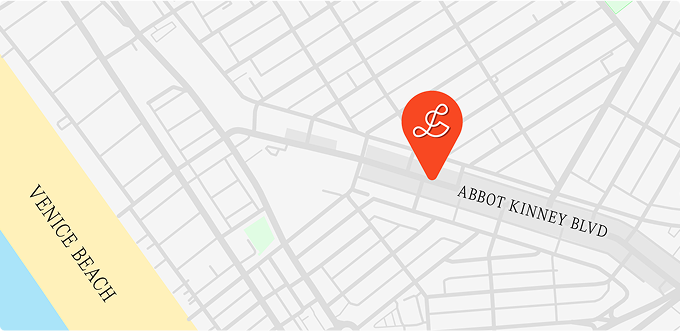
In the sun-drenched streets of Venice, Los Angeles, a fashion revolution is taking place. If you’ve ever wandered down Abbot Kinney or explored the local boutiques, you’ve likely noticed a shift toward upcycled fashion. But as labels become more detailed, you might find yourself asking a tricky question: Was this garment made from deadstock or post-consumer waste?
At Circular Library, we believe that understanding the origin of your clothes is the first step toward a more conscious wardrobe. Whether you are a local Californian or a tourist looking for the perfect eco-friendly souvenir, this guide will help you decode the world of upcycled fashion.
What is Upcycled Fashion?
Before diving into the specifics of materials, let’s define the core concept. Upcycled fashion is the process of transforming waste materials, useless products, or unwanted garments into new materials or products of better quality and environmental value.
Unlike traditional recycling—which often breaks materials down into a lower-quality state (downcycling)—upcycling breathes new life into what already exists. At Circular Library, our mission is to keep textiles out of landfills by proving that "waste" is just a resource in the wrong place.
Understanding Deadstock: The Designer’s Leftovers
When you shop for upcycled fashion in Venice, Los Angeles, you will frequently encounter the term "deadstock."
The Definition of Deadstock
Deadstock refers to leftover fabric that was never used. This could be high-end silk from a luxury fashion house that ordered too much, or a roll of denim with a slight color variation that a factory couldn't sell.
Why Deadstock Matters
-
Waste Reduction: It prevents perfectly good, brand-new fabric from being sent to an incinerator or a landfill.
-
Exclusivity: Because deadstock quantities are limited, the pieces created are often one-of-a-kind or part of a very small run.
-
Lower Footprint: Using deadstock requires no new water, pesticides, or dyes, as the fabric has already been manufactured.
How Circular Library Uses Deadstock
We source premium rolls of "forgotten" fabrics to create modern silhouettes. When you wear a deadstock piece from Circular Library, you are wearing a piece of fashion history that was rescued from the brink of disposal.
Post-Consumer Waste: The Art of the Rebirth
While deadstock is "new" fabric that was never used, post-consumer waste has a previous life. This is the heart and soul of the upcycled fashion movement.
What is Post-Consumer Waste?
Post-consumer waste consists of finished garments that have been discarded by the person who bought them. Think of an old wool sweater with a hole in the elbow or a pair of vintage jeans that no longer fit.
The Transformation Process
Creating upcycled fashion from post-consumer waste is a labor of love. It often involves:
-
Unraveling: Taking apart old knitwear to reclaim the yarn.
-
Patchworking: Cutting out usable sections of fabric to create a "new" textile.
-
Deconstruction: Taking apart the seams of a garment and using the panels to build a completely different structure.
The Impact
By choosing post-consumer upcycled fashion, you are directly participating in a circular economy. You are ensuring that the energy and resources used to create the original garment are preserved rather than wasted.
Deadstock vs. Post-Consumer: A Quick Comparison
If you're browsing the racks at Circular Library in Venice, Los Angeles, use this table to help you decide which style fits your vibe:
|
Feature |
Deadstock |
Post-Consumer |
|
Original State |
Unused rolls of fabric |
Previously worn garments |
|
Feel |
Usually feels "brand new" |
Often has a soft, lived-in vintage feel |
|
Look |
Clean, uniform aesthetics |
Unique textures, visible seams, or patchwork |
|
Sustainability Factor |
Prevents waste from production |
Diverts waste from the consumer cycle |
Why Shop Upcycled Fashion in Venice, Los Angeles?
Venice, Los Angeles has always been a hub for creativity, counter-culture, and environmentalism. Shopping for upcycled fashion here isn't just about the clothes; it's about the lifestyle.
-
Authentic LA Style: The aesthetic of upcycled fashion perfectly mirrors the relaxed, eclectic, and artistic spirit of Venice Beach.
-
Support Local Artisans: When you shop at Circular Library, you are supporting designers who prioritize the planet over mass-market profits.
-
A Story in Every Stitch: Unlike "fast fashion," every piece in our library has a narrative. Whether it's a deadstock linen dress or a post-consumer cashmere beanie, you're wearing a conversation starter.
Tips for Caring for Your Upcycled Wardrobe
Because upcycled fashion utilizes unique materials, these pieces often require a bit more TLC to ensure they last a lifetime.
-
Wash Cold: Always use cold water to preserve the integrity of the fibers and any unique dyes.
-
Air Dry: Skip the dryer. Hanging your clothes or laying them flat to dry prevents shrinkage and saves energy.
-
Spot Clean: If you have a small stain, treat it locally rather than washing the entire garment.
-
Repair, Don't Replace: If a button falls off or a seam pops, bring it back to a local tailor. Keeping the cycle going is what we’re all about!
Conclusion
Understanding the difference between deadstock and post-consumer waste allows you to shop with confidence and purpose. Whether you prefer the crisp feel of rescued designer fabrics or the storied past of a reconstructed vintage sweater, upcycled fashion offers a path toward a more beautiful, sustainable future.
If you are looking to evolve your style and reduce your environmental footprint, then you can consider visiting us at Circular Library in Venice, Los Angeles. We offer curated collections and guides on how to transition your wardrobe into a sustainable masterpiece. Come by, say hello, and find your next favorite piece today!