There's a fine line between an outfit that looks effortlessly curated and one that looks like it was thrown together by accident. When it comes to mixing deadstock and vintage pieces, that line comes down to intention. Done well, combining these two categories creates some of the most compelling looks in eco-friendly fashionwear in Venice. Done carelessly, it can feel disjointed. Here's how to get it right.
First, What's the Difference Between Deadstock and Vintage?
Before mixing the two, it helps to understand what sets them apart.
Deadstock
Deadstock refers to unused, unsold garments, often from past seasons or discontinued lines, that never made it to a customer. These pieces are:
-
New, never worn
-
Often reflective of a specific era's design trends
-
A more sustainable alternative to newly manufactured clothing, since no new resources are used
Vintage
Vintage clothing refers to previously owned garments, typically at least 20 years old, that carry visible history and character. These pieces are:
-
Often one-of-a-kind or limited in availability
-
Reflective of design details specific to their era
-
Full of personality, wear patterns, and story
Both categories offer a more sustainable alternative to fast fashion, making them a natural fit for anyone exploring eco-friendly fashionwear in Venice.
Why Mixing the Two Works So Well
At first glance, deadstock and vintage might seem like they belong in separate categories. In practice, combining them creates outfits with depth, contrast, and a sense of intentional design.
1. Contrast Creates Interest
Deadstock pieces often feel clean and structured, while vintage pieces bring texture, wear, and character. Pairing the two creates visual balance rather than a one-note look.
2. It Avoids a "Costume" Effect
Wearing all vintage can sometimes tip into looking overly thematic or era-specific. Mixing in deadstock pieces keeps the outfit feeling modern and wearable.
3. It Reflects Personal Style, Not Just Trends
Combining these two categories naturally results in a look that's harder to replicate, which is exactly what makes it feel intentional rather than accidental.
How to Mix Deadstock and Vintage the Right Way
1. Anchor the Outfit With One Statement Piece
Choose either a standout vintage item or a distinctive deadstock piece to serve as your outfit's focal point. Everything else should support, not compete with, that piece.
2. Balance Eras Thoughtfully
If your vintage piece is clearly from a specific decade, choose deadstock items with a more neutral, timeless design to avoid an overly costume-like effect.
3. Stick to a Cohesive Color Palette
Mixing textures and eras is easier to pull off when your color palette stays consistent. Stick to:
-
Neutrals with one accent color, or
-
A tonal color scheme throughout the outfit
4. Mix Silhouettes, Not Just Pieces
Pairing a structured deadstock blazer with relaxed vintage trousers (or vice versa) creates a more dynamic, considered outfit than matching similar silhouettes throughout.
5. Let Accessories Bridge the Gap
Accessories are an easy way to tie deadstock and vintage pieces together. A simple, modern bag or shoe can ground a more eclectic outfit.
Outfit Formulas to Try
-
Vintage blouse + deadstock trousers + modern shoes
-
Deadstock blazer + vintage denim + simple accessories
-
Vintage dress + deadstock jacket layered on top
-
Deadstock basics + one standout vintage accessory
Each formula follows the same principle: one clear focal point, supported by simpler, complementary pieces.
Common Mistakes to Avoid
-
Mixing too many eras at once. This can make an outfit feel more like a costume than a considered look.
-
Ignoring fit. Vintage sizing, especially, can vary significantly, so fit should always take priority over label size.
-
Overloading with statement pieces. Too many bold vintage or deadstock items competing for attention can feel chaotic.
-
Forgetting about proportion. Balancing fitted and relaxed pieces helps keep the overall silhouette intentional.
Why Venice Is Ideal for Exploring Deadstock and Vintage Style
Venice has long embraced a layered, eclectic approach to personal style, making it a natural home for shoppers interested in eco-friendly fashionwear in Venice. The neighborhood's creative energy pairs perfectly with the kind of thoughtful mixing that deadstock and vintage styling requires.
Whether you're a local building a distinct personal aesthetic or a visitor looking to explore the city's fashion scene, Venice offers plenty of inspiration for this kind of styling approach.
Why Choose Deadstock and Vintage Over New Fast Fashion
Beyond style, mixing deadstock and vintage pieces supports a more sustainable approach to getting dressed.
Environmental Benefits
-
Deadstock reduces waste by giving unsold garments a purpose
-
Vintage extends the life cycle of existing clothing
-
Both reduce the demand for newly manufactured fast fashion
Style Benefits
-
Creates truly unique, non-repeatable outfits
-
Offers higher-quality construction than most fast fashion
-
Builds a wardrobe rooted in personal expression rather than trend cycles
Where to Start Building Your Own Mix
At Circular Library, we curate a thoughtful selection of both deadstock and vintage pieces, making it easier to explore this styling approach without guesswork. Our collection is built for shoppers who want:
-
Pieces with genuine character and history
-
Sustainable alternatives to fast fashion staples
-
A hands-on way to explore eco-friendly fashionwear in Venice
Conclusion
Mixing deadstock and vintage is a styling skill that rewards intention. With one focal piece, a cohesive palette, and thoughtful balance, you can build outfits that feel curated rather than accidental. If you're ready to explore this approach for yourself, visit Circular Library to shop our collection of eco-friendly fashionwear in Venice, or reach out to us for styling guidance and inspiration.
Frequently Asked Questions
1. What's the difference between deadstock and vintage clothing?
Deadstock refers to unused, unsold garments that never reached a customer, while vintage refers to previously owned clothing, typically at least 20 years old.
2. Is deadstock clothing considered sustainable?
Yes. Since deadstock garments already exist and would otherwise go unused, purchasing them helps reduce waste without requiring new production.
3. Where can I shop eco-friendly fashionwear in Venice?
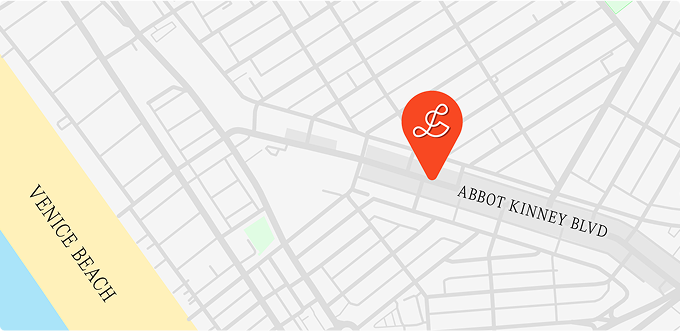
Circular Library, located in Venice, Los Angeles, offers a curated mix of deadstock and vintage clothing for locals and visitors alike.
4. How do I avoid looking "costume-y" when wearing vintage pieces?
Balance vintage items with more neutral, modern pieces, like deadstock basics, and keep the overall color palette cohesive.
5. Can beginners successfully mix vintage and deadstock pieces?
Absolutely. Starting with one statement piece and simple supporting basics makes this styling approach easy to try, even for beginners.
6. Why does mixing eras create a more intentional outfit?
Combining pieces from different periods adds contrast and depth, resulting in a look that feels personally curated rather than trend-driven.