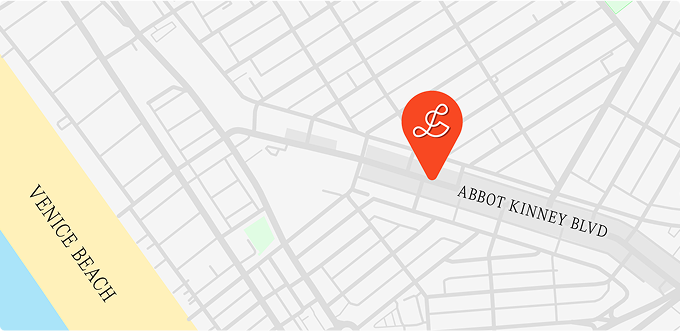
Abbot Kinney Boulevard in Venice Beach is a destination in itself—lined with stylish boutiques, eco-forward branding, and “sustainable” claims everywhere you look. For shoppers and tourists alike, it feels like a desert escape filled with conscious fashion choices. But here’s the truth: not everything labeled eco, ethical, or green actually is.
This consumer-advocate guide is designed to help you shop smarter. Whether you’re browsing for Mongolian cashmere, linen separates, or luxury knitwear, learning how to spot greenwashing can save you money—and help support brands that truly care. At Circular Library, transparency and education are central to how we think about fashion.
What Is Greenwashing in Fashion?
Greenwashing happens when brands use sustainability language or imagery without backing it up with real practices. On streets like Abbot Kinney, where conscious consumerism is part of the aesthetic, greenwashing can be especially convincing.
Common Greenwashing Tactics to Watch For
-
Vague claims like “eco-friendly” or “conscious” without explanation
-
Earth-toned packaging with no sustainability details
-
“Natural” or “clean” materials listed without sourcing information
-
Small sustainable collections overshadow mostly synthetic inventory
Understanding these signals helps you move past marketing fluff.
Why Mongolian Cashmere Is Often Used in Sustainability Claims
Cashmere is frequently positioned as a luxury, sustainable fiber—but not all cashmere is created equal. Mongolian cashmere, when responsibly sourced, can be long-lasting, biodegradable, and low-impact. When sourced irresponsibly, it can contribute to land degradation and unethical labor practices.
That’s why certifications and transparency matter.
How to Read Clothing Labels Like a Pro
Look Beyond the Front Tag
Marketing terms on hangtags are designed to attract attention. Instead, focus on the inside label and brand disclosures.
Check for:
-
Fiber composition (100% cashmere vs. blends)
-
Country of origin
-
Care instructions (often a quality indicator)
If a label says “cashmere blend,” it may contain mostly synthetics.
Certifications That Actually Matter
The Good Cashmere Standard Explained
One of the most credible certifications to look for is the Good Cashmere Standard®. It focuses on animal welfare, environmental protection, and improved working conditions for herders.
Other Trust Signals to Look For
-
Clear sourcing details
-
Third-party certifications listed by name
-
Transparency pages on the brand’s website
-
Longevity-focused language rather than trend-driven drops
If a boutique can’t explain what makes a piece sustainable, that’s a red flag.
Questions to Ask While Shopping on Abbot Kinney
Don’t be afraid to engage with store associates. Ethical brands usually welcome informed questions.
Ask These Before You Buy:
-
Where is this Mongolian cashmere sourced from?
-
Is the fiber certified or traceable?
-
How long is this piece designed to last?
-
What happens to unsold inventory?
If the answers are vague or evasive, proceed with caution.
Synthetic Blends Disguised as “Sustainable”
Many brands promote recycled polyester or “eco-blends” as sustainable alternatives. While recycling has its place, synthetic fibers still shed microplastics and don’t biodegrade.
Why Natural Fibers Often Win
-
Biodegradable at end of life
-
More breathable and repairable
-
Better suited for long-term wear
High-quality Mongolian cashmere aligns better with circular fashion principles when durability and care are prioritized.
Circular Fashion vs. Trend-Driven Sustainability
At Circular Library, we believe sustainability isn’t about buying more “green” products—it’s about buying better ones.
Signs a Brand Embraces Circular Thinking
-
Emphasis on repair, reuse, or resale
-
Timeless design over seasonal trends
-
Education around fabric care
-
Smaller, intentional collections
Circular fashion values longevity over novelty.
Why This Matters for Conscious Shoppers and Tourists
When visiting LA, shopping is often part of the experience. Choosing thoughtfully supports ethical supply chains and reduces waste—without sacrificing style.
A single well-made cashmere piece can replace multiple fast-fashion alternatives. That’s better for your wardrobe and the planet.
How Circular Library Approaches Transparency
We curate pieces with clear sourcing, verified standards, and long-term value in mind. Our goal is to help shoppers understand why a garment matters—not just how it looks.
Education is part of sustainability, and informed consumers drive real change.
Conclusion
Abbot Kinney offers incredible style—but navigating sustainability claims requires a critical eye. By learning how to read labels, recognize certifications, and ask the right questions, you can avoid greenwashing and invest in pieces that truly align with your values.
If you’re trying to understand ethical materials like Mongolian cashmere or want guidance on building a more circular wardrobe, Circular Library offers resources and curated selections designed to make conscious shopping clearer and more accessible.