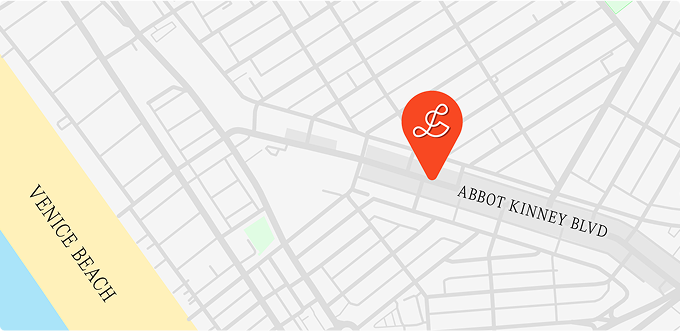
When you’re strolling down Abbot Kinney Boulevard in Venice, Los Angeles, the breezy, upscale atmosphere naturally draws you toward quality. Among the boutiques, Circular Library stands out for its commitment to high-end, sustainable fashion—specifically its focus on Mongolian cashmere.
However, for the modern, conscious shopper, "soft" isn't enough anymore. You want to know if that sweater was produced ethically. Specifically, is it certified by the Sustainable Fibre Alliance (SFA) or the Good Cashmere Standard (GCS)?
In this guide, we’ll break down why these certifications matter, what to look for when shopping at Circular Library, and why Mongolian cashmere remains the gold standard of luxury knitwear.
What Makes Mongolian Cashmere So Special?
Before diving into the paperwork, it’s important to understand the material. Mongolia produces some of the finest cashmere in the world due to its extreme climate. To survive temperatures that can drop to -40°C, the local goats grow a dual-layer coat: a coarse outer fleece and a downy, ultra-fine undercoat.
-
Fineness: Mongolian fibers are typically between 14 and 16 microns in diameter.
-
Length: Longer fibers mean less pilling and a more durable garment.
-
Heritage: The nomadic herding traditions in Mongolia have remained largely unchanged for centuries, though modern demand has forced a shift toward better regulation.
Decoding the Certifications: SFA vs. GCS
If you are looking at a tag in Venice and see a logo, here is what those acronyms actually mean for the goat, the herder, and the environment.
1. The Sustainable Fibre Alliance (SFA)
The SFA is a global non-profit that works specifically with the Mongolian cashmere supply chain. Their goal is to ensure that the grasslands aren't overgrazed and that herders receive a fair wage.
-
Animal Welfare: Strict protocols on how goats are combed and handled.
-
Environmental Protection: Training herders on pasture management to prevent the desertification of the Mongolian steppe.
-
Traceability: Ensures the fiber can be traced from the specific herding community to the final garment.
2. The Good Cashmere Standard (GCS)
Developed by the Aid by Trade Foundation, the GCS is another heavy hitter in the world of ethical luxury. It focuses heavily on the "Five Freedoms" of animal welfare.
-
The Goats: Focuses on health, appropriate nutrition, and humane living conditions.
-
The People: Ensures social criteria are met, such as no child labor and fair contracts for farmers.
-
The Transparency: Brands must undergo rigorous audits to carry this seal.
Circular Library: The Venice Destination for Quality
Located in the heart of Venice, Los Angeles, Circular Library isn't just a clothing store; it’s a curated space that prioritizes the "circularity" of fashion. For tourists visiting the LA coast or locals looking for a wardrobe staple, this brand represents the intersection of California cool and Mongolian craftsmanship.
Why Circular Library Chooses Mongolian Cashmere
Circular Library often opts for Mongolian sources because of the inherent quality of the raw material. In a world of "fast fashion," they lean toward pieces that are designed to last decades, not seasons. This alignment with "slow fashion" is exactly why many of their pieces lean into SFA or GCS standards.
How to Verify Certification in the Store
When you are at their Venice location, here is how you can check the status of a specific piece:
-
Check the Hangtag: Most SFA or GCS-certified items will proudly display the logo on the secondary tag.
-
Scan the QR Code: Many modern sustainable brands include a QR code that leads to a transparency report for that specific batch of wool.
-
Ask the Staff: The team at Circular Library is trained to understand their supply chain. Ask them specifically about the "origin of the Mongolian yarn."
The Environmental Impact: Why You Should Care
You might wonder why a shopper in Los Angeles should care about a goat in the Gobi Desert. The reality is that the "Cashmere Boom" of the early 2000s led to massive environmental degradation.
-
Desertification: Overgrazing by too many goats turned lush grasslands into dust bowls.
-
Biodiversity Loss: Native wildlife, like the snow leopard, lost their habitat to expanding herds.
-
Climate Change: Degraded soil releases carbon, accelerating global warming.
By choosing SFA or GCS certified Mongolian cashmere, you are supporting a system that limits herd sizes and restores the land, ensuring that the Venice beach you love and the Mongolian steppe both have a future.
Shopping Tips for Tourists in Venice, LA
If you’re visiting Venice and looking to take home a piece of Mongolian luxury from Circular Library, keep these tips in mind:
Look for Natural Hues
Sustainable cashmere often comes in "undyed" versions—soft creams, tans, and greys. These require fewer chemicals and less water during production, making them the most eco-friendly choice in the shop.
The "Squeeze" Test
High-quality Mongolian cashmere should feel bouncy. If you squeeze it and it stays wrinkled, it may be blended with lower-quality short fibers. Certified cashmere almost always uses the longer, premium fibers that spring back to life.
Consider the Weight
In Los Angeles, a "featherweight" or "summer" cashmere is often more practical than a heavy 4-ply knit. Circular Library specializes in weights that work for a sunset walk on the Santa Monica pier just as well as a chilly flight home.
Summary of Ethical Standards
|
Feature |
SFA (Sustainable Fibre Alliance) |
GCS (Good Cashmere Standard) |
|
Primary Focus |
Grassland restoration & Herder livelihoods |
Animal welfare & Social standards |
|
Geographic Origin |
Primarily Mongolia |
Global (including Inner Mongolia) |
|
Audit Frequency |
Annual third-party audits |
Regular verified inspections |
|
Consumer Impact |
Supports nomadic traditions |
Guarantees "Five Freedoms" for goats |
Conclusion
Whether you are a local or a tourist, shopping for Mongolian cashmere at Circular Library in Venice is an investment in both style and ethics. By looking for SFA or GCS certifications, you ensure that your luxury knitwear supports animal welfare, protects the environment, and sustains the livelihoods of Mongolian herding communities.
If you are unsure about the origins of your favorite knitwear or want to learn more about how to care for your sustainable pieces, we can help. We offer comprehensive guides on garment longevity and supply chain transparency to ensure your wardrobe stays as green as it is glamorous.