You've probably flipped over a shirt tag, squinted at a row of tiny symbols, and then tossed the garment in the wash and hoped for the best.
You're not alone. Most people skip the care label entirely — and that small habit is quietly contributing to a massive waste problem.
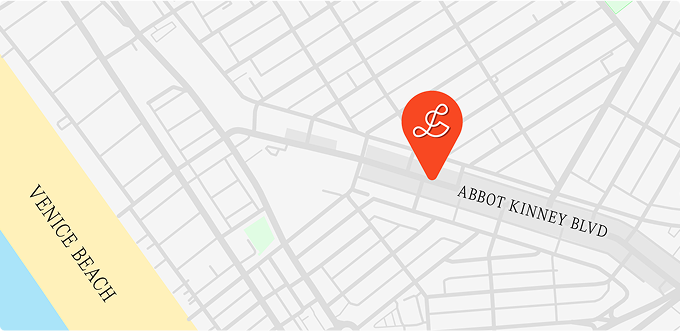
At Circular Library, our sustainable fashion boutique in Venice, Los Angeles, we believe that knowing how to read a garment care label is one of the simplest, most powerful steps toward a more circular wardrobe. Whether you're shopping with us on Abbot Kinney or picking up a luxurious piece of cashmere in Venice Beach, this guide is here to make those little symbols finally make sense.
Why Garment Care Labels Exist — And Why They Matter More Than You Think
Care labels aren't just laundry instructions. They're a roadmap for how long a garment will last.
Follow the label, and a well-made piece can stay in rotation for years — even decades. Ignore it, and even a high-quality item can shrink, pill, or fall apart after a few washes.
In the world of circular fashion, longevity is everything. The goal is to keep clothes in use as long as possible — reducing the need for new production, cutting textile waste, and lowering the overall environmental impact of your wardrobe. Proper garment care is where that cycle begins.
The Hidden Environmental Cost of Washing Clothes Wrong
When we wash garments incorrectly:
• Fibers break down faster, shortening the life of the garment
• Synthetic fabrics shed microplastics into waterways at higher rates (especially in hot water)
• Clothes get tossed sooner — adding to landfill waste
• Energy use spikes when we over-wash or use high-heat settings unnecessarily
Getting the label right is one of the easiest ways to be a more eco-conscious shopper.
How to Read a Garment Care Label: The Symbols Explained
International care labels use five standard symbol categories. Here's what each one means:
1. Washing
The basin symbol tells you how (or whether) to machine wash a garment.
• A plain tub: Machine wash is fine
• A number inside the tub: Maximum wash temperature (e.g., 30°C / 86°F)
• A hand in the tub: Hand wash only — treat with care
• A crossed-out tub: Do not wash with water at all
Pro tip: Washing in cold water (30°C or below) is almost always the better choice for the planet — and for your clothes. Most modern detergents are designed to work effectively in cold water.
2. Bleaching
The triangle symbol addresses bleaching.
• Open triangle: Any bleach is okay
• Triangle with lines: Only non-chlorine / oxygen bleach
• Crossed-out triangle: No bleach — ever
For natural fibers like cashmere, wool, or silk, bleaching is almost always a no. Harsh chemicals break down delicate protein-based fibers.
3. Drying
The square symbol covers how to dry a garment.
• Square with a circle: Tumble dry is safe
• Dots inside the circle: Temperature — one dot = low, two = medium, three = high
• Crossed-out circle: Do not tumble dry
• Horizontal lines in the square: Dry flat — important for knitwear
• Curved line at top: Hang to dry
Air drying is almost always the most energy-efficient and fabric-friendly option. For your cashmere pieces from Venice Beach, flat drying is essential — hanging wet cashmere stretches it out of shape.
4. Ironing
The iron symbol tells you how much heat to apply.
• One dot: Low heat — synthetics and delicates
• Two dots: Medium heat — wool and silk
• Three dots: High heat — cotton and linen
• Crossed-out iron: Do not iron
• Iron with lines underneath: Steam is safe
• Iron with crossed-out lines: No steam
5. Dry Cleaning
The circle symbol indicates whether dry cleaning is needed.
• Plain circle: Dry clean
• Letter inside the circle (A, F, P, W): Specifies which solvents the dry cleaner can use
• Crossed-out circle: Do not dry clean
If a label says dry clean only, respect it — especially for structured jackets, fine cashmere, or garments with delicate embellishments.
Why This Especially Matters for Cashmere
At Circular Library in Venice Beach, one of our most beloved categories is ethical Mongolian cashmere. It's warm, breathable, incredibly soft — and completely worth taking care of properly.
Cashmere is a natural protein fiber, which means it responds very differently to care than cotton or synthetics. Here's what the label on your cashmere is almost always going to say (and why):
• Hand wash or gentle machine cycle: Cashmere fibers felt and shrink when agitated aggressively
• Cold or lukewarm water only: Hot water causes irreversible shrinkage
• Lay flat to dry: Hanging pulls the knit out of shape
• Do not tumble dry: Heat and friction will destroy the fiber structure
• Use a gentle, pH-neutral detergent: Or even a small amount of baby shampoo
With the right care, a quality cashmere piece can last 10, 20, even 30 years. That's the essence of circular fashion — investing in pieces designed to last, then actually making them last.
Reading the Fiber Content Tag: What the Material Tells You
Just below (or alongside) the care symbols, you'll typically find a fiber content breakdown — for example, "100% cashmere" or "80% wool, 20% nylon."
This matters for sustainability because:
• Natural fibers (wool, cashmere, cotton, linen, silk) are biodegradable and often more durable with proper care
• Synthetic fibers (polyester, nylon, acrylic) shed microplastics in the wash and don't biodegrade
• Blended fabrics can be tricky — mixed fibers are harder to recycle at end-of-life
When shopping at Circular Library in Venice, Los Angeles, you'll find garments made from natural, thoughtfully sourced materials — precisely because we believe in clothes that can re-enter the circular economy when you're done with them.
5 Habits That Will Make Your Clothes Last Longer
Reading the label is just the start. Here are practical habits that make a real difference:
1. Wash less often. Most garments don't need washing after every wear. Spot clean, air out, and refresh when possible.
1. Use cold water. It's gentler on fibers and uses significantly less energy.
2. Turn dark garments inside out. Reduces fading and protects the outer surface.
3. Air dry whenever possible. Tumble drying is one of the leading causes of premature garment wear.
4. Store properly. Fold knitwear rather than hanging it. Use breathable garment bags for seasonal storage.
How Circular Library Approaches Garment Care in Venice Beach
When you shop with us at Circular Library — located in the heart of Venice, Los Angeles — we don't just hand you a bag and send you on your way.
We believe that sustainable fashion extends beyond the point of sale. That means:
• Sharing care instructions tailored to each garment
• Curating pieces from brands that use natural, responsibly sourced fibers
• Hosting workshops and community events around circular fashion practices
• Encouraging resale, repair, and rehoming so garments stay in use longer
Whether you're a Venice local, visiting from out of town, or just beginning your sustainable shopping journey, we want to be a resource — not just a store.
Conclusion
A garment care label might look like a series of random symbols, but it's actually one of the most powerful tools you have for making your wardrobe more sustainable. Understanding these symbols means fewer ruined pieces, longer-lasting clothes, and a smaller environmental footprint — one wash cycle at a time.
If you're in Venice Beach, Los Angeles, and want to explore a wardrobe built around circularity from beautifully crafted cashmere in Venice Beach to thoughtfully sourced everyday pieces, come visit us at Circular Library on Abbot Kinney. Our team is here to help you shop with intention, care for what you own, and be part of a fashion system that's better for people and the planet.
You can also explore our events and workshops for hands-on guidance on everything from garment care to the circular fashion economy. We'd love to see you there.