Walk into any sustainable fashion store today and you’ll see labels plastered with words like TENCEL™, ECOVERO™, or modal. They sound eco-friendly — and in many ways they are. But what do these terms actually mean for your wardrobe, your skin, and the planet?
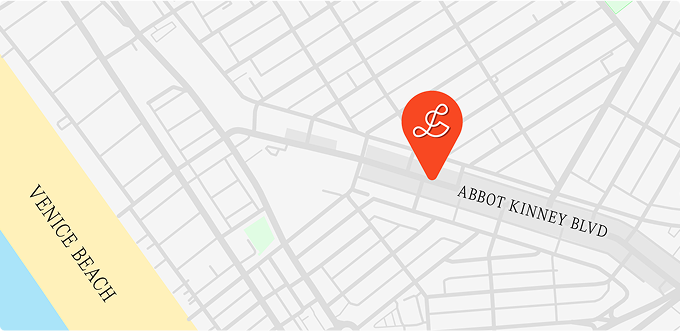
At Circular Library in Venice, Los Angeles, we believe shoppers deserve straight answers — not just marketing jargon. Whether you’re a local looking for a mindful closet upgrade, a tourist exploring Abbot Kinney, or someone discovering circular fashion for the first time, this guide will walk you through these popular sustainable fabrics and explain how they compare to our signature offering: Mongolian cashmere in Venice Beach.
What Is TENCEL™ — and Should You Buy It?
TENCEL™ is a brand name for a type of lyocell fiber made by the Austrian company Lenzing AG. It’s produced from sustainably sourced wood pulp — usually eucalyptus — using a closed-loop manufacturing process that recycles up to 99% of the water and solvents used.
Why shoppers love TENCEL™:
• Incredibly soft and smooth against the skin
• Naturally moisture-wicking and breathable
• Biodegradable under the right conditions
• Lower water footprint than conventional cotton
Where TENCEL™ falls short:
• Often blended with synthetic fibers like polyester, which compromises biodegradability
• Durability can be lower than natural fibers over time
• Still a manufactured fiber — it goes through an industrial chemical process before becoming fabric
TENCEL™ is a solid choice for basics, activewear, and warm-weather pieces. But for a long-lasting, truly natural wardrobe investment, it’s worth understanding what sits above it on the quality ladder.
What Is ECOVERO™ — and Is It Really Eco-Friendly?
ECOVERO™ is another Lenzing innovation — this time, an eco-responsible viscose. Standard viscose (also called rayon) is notorious for heavy chemical use and deforestation. ECOVERO™ addresses this by sourcing wood from certified forests (FSC and PEFC) and reducing the CO₂ footprint of production by up to 50% compared to generic viscose.
What makes ECOVERO™ stand out:
• Certified sustainable wood sourcing
• Lower carbon and water impact than conventional viscose
• Soft, breathable, and drapes beautifully
• A responsible swap for mass-market rayon
What to keep in mind:
• Still a semi-synthetic fiber — processed chemically
• Not as durable as tightly woven natural fibers
• Environmental benefits depend heavily on how garments are cared for and disposed of
ECOVERO™ is a meaningful step up from regular viscose, especially for everyday wear. But “eco-responsible” doesn’t always mean “most circular.” That distinction matters a lot when you’re buying with longevity in mind.
What Is Modal — and How Does It Differ from Regular Fabric?
Modal is a semi-synthetic fiber made from beech wood pulp, typically sourced from sustainably managed European forests. Lenzing’s Lenzing Modal™ is considered the gold standard, with a production process that uses significantly less water than cotton.
Modal’s strengths:
• Exceptionally soft — often compared to silk
• Highly breathable and lightweight
• Resists shrinking and fading better than cotton
• Absorbs dye well, resulting in vibrant, lasting colors
Modal’s limitations:
• Semi-synthetic: chemically processed from natural material
• Mixed-fiber blends are difficult to recycle at end of life
• Less suited for cold-climate layering compared to wool or cashmere
Modal is a great choice for underwear, loungewear, and light layers. It’s genuinely better than many conventional fabrics. However, when it comes to a garment that will last a decade and age gracefully, modal doesn’t quite match what a well-sourced natural fiber can offer.
TENCEL™ vs. ECOVERO™ vs. Modal: A Quick Comparison
• TENCEL™ — Best for: warm-weather basics, activewear, everyday wear
• ECOVERO™ — Best for: dresses, blouses, flowy everyday pieces
• Modal — Best for: underwear, loungewear, lightweight layers
All three are better than conventional cotton or standard viscose. They’re meaningful choices in a conscious wardrobe. But none of them are fully natural fibers — they each undergo significant industrial processing to become the soft fabrics you feel in the store.
So Where Does Mongolian Cashmere Fit In?
Here’s where Circular Library’s approach in Venice, Los Angeles gets interesting.
Mongolian cashmere might sound like an unlikely combination — but it makes complete sense when you understand what cashmere actually is.
Cashmere comes from the soft undercoat of cashmere goats, shed naturally once a year. When sourced from ethical farms in Mongolia — certified by the Sustainable Fiber Alliance (SFA) or the Good Cashmere Standard (GCS) — it is one of the most genuinely circular fibers available:
1. 100% natural and biodegradable — no industrial chemical processing
2. Goats shed their fiber annually without harm, making harvesting a low-impact process
3. A well-made cashmere piece can last 10–20+ years with proper care
4. At end of life, natural cashmere returns to the earth without leaving synthetic residue
By contrast, TENCEL™, ECOVERO™, and modal — while far better than fast fashion alternatives — are still manufactured through industrial processes. They are great improvements on the status quo, but their recyclability depends heavily on whether they’ve been blended with synthetics.
How to Choose the Right Fabric for You
Not every piece in your wardrobe needs to be cashmere. Here’s a practical guide:
Choose TENCEL™ or ECOVERO™ when:
• You need a lightweight, warm-weather staple
• You’re building everyday basics at an accessible price point
• You want a strong eco-upgrade from conventional cotton or synthetic blends
Choose Modal when:
• You’re looking for ultra-soft, skin-friendly underwear or loungewear
• You want a breathable base layer for LA’s year-round mild climate
Choose ethical Mongolian cashmere when:
• You’re investing in a piece you’ll wear for years — not just a season
• You want a fully natural, biodegradable fiber with a verified ethical supply chain
• You’re shopping for cool LA evenings, layering, or a timeless wardrobe anchor
• You want to support true circularity — where the garment can re-enter the natural world at end of life
Why Circular Library in Venice Focuses on Ethical Cashmere
Venice Beach is home to a growing community of conscious shoppers — people who read labels, ask questions, and care about where their clothes come from. That’s exactly the community Circular Library was built for.
Every cashmere piece we carry is sourced from certified ethical farms in Mongolia, verified by the SFA or GCS. Our garments are selected for longevity, quality, and true circularity — designed to stay in use as long as possible and return harmlessly to the environment when their life is over.
We also stock upcycled and deadstock pieces from partner brands like RE;CODE and SOI Studio — so you’ll find a full range of thoughtful, eco-friendly fashion in Los Angeles all under one roof in Venice.
Conclusion
TENCEL™, ECOVERO™, and modal are genuinely better choices than conventional fast fashion fabrics. If you’re building a conscious wardrobe from scratch, they’re worth understanding and considering. But if you’re ready to invest in something that goes further — a piece that is fully natural, ethically sourced, built to last, and truly circular — Mongolian cashmere in Venice Beach at Circular Library is where to start.
Whether you’re a first-time visitor to Abbot Kinney or a long-time Venice local looking to shop with more intention, we’d love to help you find the right piece. Stop by Circular Library in Venice, Los Angeles, explore our curated collection in-store, or browse online to find garments that were made to last — and made to matter.
Have questions about fabric certifications, cashmere care, or building a more circular wardrobe? Our team is always happy to guide you. Visit us at Circular Library — your trusted destination for sustainable fashion in Venice Beach, Los Angeles.