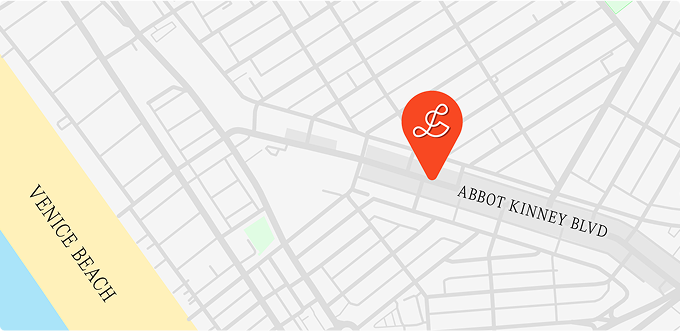
Cashmere feels luxurious. But behind that softness is a supply chain that stretches from the grasslands of Mongolia all the way to boutique shelves in Venice Beach, Los Angeles. The question most shoppers never think to ask is: how do I know this cashmere was made responsibly?
That's where certifications come in — specifically, the Good Cashmere Standard (GCS) and the Sustainable Fiber Alliance (SFA). At Circular Library, a circular fashion boutique right in the heart of Venice, Los Angeles, these aren't just acronyms on a hangtag. They're the baseline for every piece of Mongolian cashmere we carry.
This guide breaks down what each certification actually checks, what they don't cover, and what to look for the next time you're shopping Mongolian cashmere in Venice Beach.
Why Cashmere Certification Matters in the First Place
Cashmere comes from the undercoat of cashmere goats, most of which are raised on the vast steppes of Mongolia. Over the last few decades, demand for cheap cashmere has exploded — and that growth has come at a cost.
The Problem With Uncertified Cashmere
-
Overgrazing: Increased herd sizes are stripping Mongolia's grasslands, contributing to desertification
-
Animal welfare gaps: Goats are sometimes combed or sheared in ways that cause distress or injury
-
Lack of traceability: Most fast-fashion cashmere cannot be traced back to a specific farm or region
-
Greenwashing: Brands freely use words like "ethical" and "sustainable" with zero verification behind them
This is exactly why third-party certification systems like GCS and SFA were created — to hold farms and brands accountable to a defined, audited standard.
What Is the Good Cashmere Standard (GCS)?
The Good Cashmere Standard, developed by the Aid by Trade Foundation, is one of the most widely recognized certification frameworks in the cashmere industry.
What GCS Actually Verifies
GCS audits are conducted at the farm level and cover three main areas:
-
Animal welfare — Goats must be combed (not sheared), housed properly, and provided with adequate food, water, and veterinary care
-
Environmental practices — Farms are assessed on herd management, land use, and efforts to prevent overgrazing and soil degradation
-
Farmer livelihoods — GCS also evaluates whether herding families receive fair compensation and operate in safe conditions
What GCS Doesn't Cover
GCS certification applies primarily to raw fiber production — it does not automatically verify:
-
Spinning, dyeing, or manufacturing processes downstream
-
The retailer's or brand's own sustainability practices
-
Carbon emissions from transportation or packaging
So when a brand says their cashmere is "GCS-certified," that's meaningful — but it only tells part of the story.
What Is the Sustainable Fiber Alliance (SFA)?
The Sustainable Fiber Alliance takes a slightly different approach. While GCS is more globally scaled, SFA is deeply rooted in Mongolia specifically, making it especially relevant when evaluating Mongolian cashmere.
What SFA Actually Verifies
SFA certification evaluates:
-
Rangeland health — Detailed assessments of pastureland condition, herd density, and seasonal grazing patterns to prevent ecological damage
-
Goat welfare — Standards for handling, combing, shelter, and herd health management
-
Herder wellbeing — Community-level assessments that look at economic resilience and working conditions for nomadic herding families
-
Traceability — SFA works toward transparent fiber tracing from farm to brand, reducing the risk of blending uncertified fiber into certified batches
SFA vs. GCS: Which Is Stronger?
Both certifications are credible. Here's a quick comparison:
|
GCS |
SFA |
|
|
Primary focus |
Animal welfare + farmer livelihoods |
Rangeland + animal welfare + traceability |
|
Geographic scope |
Global |
Mongolia-focused |
|
Farm-level audits |
Yes |
Yes |
|
Traceability |
Partial |
Stronger |
|
Brand-level scope |
No |
Partial |
If you're specifically buying Mongolian cashmere, SFA's rangeland focus makes it particularly relevant to the environmental impact of your purchase.
How Circular Library Uses These Standards
At Circular Library in Venice Beach, we don't just take a brand's word for it. Here's how certifications shape what we stock:
-
We prioritize brands that carry GCS or SFA certification at the fiber level
-
We ask suppliers about their downstream practices — dyeing, processing, and labor — beyond what certifications cover
-
We apply circular fashion principles, meaning we also look at how long a garment is designed to last, whether it can be repaired, and whether it can re-enter the fashion system rather than heading to landfill
Shopping Mongolian cashmere in Venice Beach at Circular Library means you're not just buying softness. You're buying into a supply chain that has been questioned, verified, and curated with the whole lifecycle in mind.
What to Ask Before You Buy Cashmere Anywhere
Whether you're shopping with us or elsewhere, here are the right questions to ask:
-
Is the cashmere GCS or SFA certified? If neither, ask what standard they do use — and be cautious of vague answers
-
Where specifically was it produced? "Mongolian cashmere" should mean fiber sourced in Mongolia, not just processed there
-
Is the fiber 100% cashmere? Blended cashmere (mixed with wool or synthetic fiber) is often mislabeled
-
How was it dyed? Look for low-impact or natural dye processes — conventional dyeing is chemically intensive
-
What happens to the garment at end of life? A truly circular brand will have an answer
Conclusion
Understanding what GCS and SFA certifications actually verify puts the power back in your hands as a shopper. Not all cashmere is created equal — and the label alone rarely tells the full story. If you're searching for genuinely certified, responsibly sourced Mongolian cashmere in Venice Beach, Circular Library is here to help you shop with clarity. Our team is happy to walk you through exactly where each piece comes from, what standards it meets, and how it fits into a more circular wardrobe.
Stop by our boutique in Venice, Los Angeles, explore our curated collection online, or reach out with any questions — because informed shoppers make the biggest difference.