Walk into almost any major clothing store in 2026, and you will likely find a clothing take-back bin near the exit. Drop off your old jeans, your worn-out T-shirt, your faded sweater and the brand promises to recycle or repurpose them. It sounds like circular fashion in action. But is it?
The uncomfortable truth is that only 1% of clothes collected by take-back programs are actually recycled into new garments. The rest are downcycled, exported, or quietly landfilled while the brand earns a sustainability reputation it may not deserve. This practice is called greenwashing: using eco-friendly optics to mask business as usual.
Whether you shop locally for circular fashion, or you are a tourist trying to make smarter choices on the road, this guide gives you the tools to separate genuine circularity from marketing spin so your good intentions actually go where they are supposed to.
What Is a Fashion Take-Back Program - and Why Do They Exist?
A clothing take-back program is a service offered by a brand or retailer that allows customers to return used garments for collection, sorting, resale, repair, or recycling. In theory, it is a cornerstone of circular fashion: keeping clothes out of landfill and in circulation.
In practice, these programs exist for two very different reasons. The first is genuine commitment to circularity — where a brand builds real infrastructure to repair, resell, or recycle what it collects. The second is brand image management — where the program exists primarily to attract eco-conscious shoppers, create a discount incentive to buy more, and generate positive press, without meaningfully reducing the brand's overall environmental footprint.
The problem is that both types of programs look almost identical from the outside. That is exactly what makes fashion greenwashing so effective — and so important to understand.
Real-World Examples of Take-Back Greenwashing
H&M's In-Store Clothing Collection
H&M was the first major fashion retailer to launch a global clothing collection program, accepting garments from any brand at over 4,200 stores. For every bag dropped off, customers receive a discount voucher for their next purchase. This is the core problem: the program actively incentivizes buying more new clothing in exchange for disposing of old items, which directly contradicts the principles of circularity. Meanwhile, H&M continues producing billions of garments annually. Critics and investigations have found that the company's sustainability scorecards sometimes presented data that was the
opposite of reality, and the brand has faced sustained accusations of greenwashing — including a class-action lawsuit alleging its sustainability claims were misleading.
Zara's Join Life and Pre-Owned Programs
Zara produces approximately 450 million garments per year and launches up to 12,000 new designs annually — yet promotes its Join Life collection and take-back initiative as evidence of its sustainability credentials. Critics point out that these programs cover only a fraction of its output, while the core fast-fashion business model accelerates overproduction and overconsumption. Zara's take-back scheme has been called out for virtue signaling: professing to give old clothes a new life without providing transparent data on where collected garments actually go.
Shein's Resale Platform
Shein, which produces up to 7,200 new items daily, launched a resale platform to signal circular credentials. An Italian court fined Shein's European operation €1 million for greenwashing in 2025–2026, finding its sustainability messaging to be vague, misleading, and contradicted by actual increases in the brand's carbon emissions. A token resale channel cannot offset the environmental cost of that production volume.
Why Most Take-Back Programs Fall Short of True Circularity
The gap between what take-back programs promise and what they deliver comes down to a few structural realities:
• The 1% problem. Only 1% of collected clothing globally is recycled into new garments. Most textile recycling technology still cannot handle mixed-fiber fabrics — the poly-cotton blends, elastane additions, and synthetic finishes that make up the majority of fast fashion output. Collected garments are typically downcycled into insulation or rags, exported to developing countries, or discarded.
• Voucher incentives drive more consumption. Programs that reward donation with a discount actively encourage shoppers to replace what they gave away — creating a net increase in purchasing rather than a reduction.
• No transparency on outcomes. Genuine circular programs publish data on where collected garments go: what percentage is resold, repaired, recycled, or exported. Programs that offer no destination data have no accountability.
• Volume mismatch. A take-back program that collects 15,000 tons of clothing per year from a brand producing hundreds of millions of garments addresses less than 1% of the waste problem it helped create.
• Greenwashing is legally profitable. As many as 60% of brands claiming to be sustainable have been found to make misleading claims. Without strict enforcement, the incentive to greenwash remains strong.
How to Spot a Genuinely Circular Take-Back Program
So what does a real take-back program actually look like? Here is a practical checklist you can use the next time a brand claims to be circular:
1. Transparent Destination Data
A genuine program tells you exactly where your clothes go — what percentage is resold, repaired, upcycled, recycled into new fiber, or responsibly composted. If a brand cannot or will not publish these numbers, that is a significant red flag.
2. No Discount Tied to Donation
Programs that reward donation with a discount on a new purchase are designed to drive sales, not circularity. Genuinely circular programs may offer store credit for secondhand items or simply collect garments without incentivizing replacement buying.
3. Third-Party Certification
Look for independent validation: Global Recycled Standard (GRS), Cradle to Cradle, Textile Exchange certifications, or verified partnerships with established textile recyclers. Self-declared certifications or in-house rating systems — like H&M's Higg Index usage — carry no independent verification.
4. Core Business Model Alignment
The most important question is whether a brand's sustainability program is consistent with how it operates day-to-day. A brand producing hundreds of millions of garments annually while running a small take-back initiative is not practicing circularity. A brand that produces less, designs for durability, and centers resale and repair as its primary revenue model — that is the real thing.
5. Supply Chain Traceability
Genuine circular brands publish factory lists, fiber sourcing details, and audit results. Brands that gate-keep their supply chains — refusing to disclose where materials come from or under what conditions — have something to hide.
What Genuine Circular Fashion Actually Looks Like
Real circular fashion is not a bin by the door. It is a whole-system approach where the garment's lifecycle is designed, managed, and tracked from the moment it is made to the moment its fibers are recovered. It includes:
1. Design for longevity and disassembly. Garments made from mono-materials (pure cotton, wool, cashmere) are far easier to recycle than mixed-fiber fast fashion. Circular design avoids synthetic blends, toxic dyes, and non-removable embellishments.
2. Repair and resale as the primary model. Brands like Patagonia (Worn Wear) and Eileen Fisher (Renew) generate significant revenue from repairing and reselling their own products — keeping garments in use rather than just collecting them.
3. Verified textile-to-textile recycling. Emerging technology companies are beginning to close the loop — breaking down polycotton blends into reusable fibers. Look for brands partnering with certified recyclers who can demonstrate fiber recovery at scale.
4. Community-centered, local models. Circular hubs, clothing swaps, curated secondhand boutiques, and repair workshops bring circularity into the community rather than centralizing it in a corporate drop-off scheme.
This is the model that circular fashion has been built around for years. At Circular Library, circularity is not a marketing add-on — it is the foundation of every garment selection, every community event, and every conversation we have with our customers.
Your Quick Greenwashing Checklist When Shopping or Donating
Before participating in any brand's take-back or sustainability program, ask yourself:
• Does the brand tell me where my donated clothes actually go? (If not, walk away.)
• Is there a discount voucher attached? (If yes, it is designed to make you buy more.)
• Does this brand produce at fast-fashion scale? (If yes, any take-back program is a drop in a very large bucket.)
• Is the sustainability claim backed by a recognized third-party certification? (Self-made labels mean nothing.)
• Can I find this brand's factory list and supply chain audit results online? (Transparency is non-negotiable.)
• Does the brand's core business reduce production — or keep growing? (Only one of those is circular.)
Conclusion: Shop Circular, Not Just Comfortable
Greenwashing works because it gives consumers a way to feel good about continuing to shop as usual. A donation bin, a discount voucher, and a leaf logo are not circular fashion — they are marketing tools. Real circularity requires transparency, accountability, reduced production, and business models built around extending the life of what already exists.
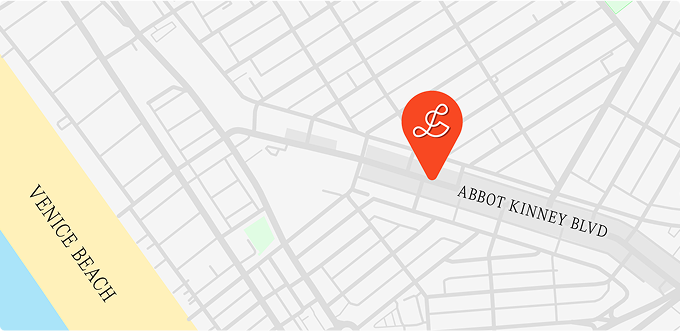
If you are looking for circular fashion in Venice Beach that lives up to the name, visit Circular Library in Venice, Los Angeles. We curate quality, responsibly sourced garments — including sustainable cashmere and circular pieces — and we are happy to answer any question about where our garments come from, where they go, and what makes our model genuinely circular. Your purchasing power is one of the most powerful tools you have — make sure it goes where it truly counts.