The fashion industry produces around 92 million tons of textile waste every year. But as more people look for smarter ways to dress, three alternatives to buying new are gaining real traction: clothing rental, resale and secondhand shopping, and owning mindfully. Each promises a more circular future — but which one actually delivers?
If you have been exploring circular fashion in Venice Beach or anywhere across Los Angeles, this guide is for you. We break down all three models honestly — the environmental wins, the hidden trade-offs, and how to choose the approach that makes the most sense for your wardrobe and your values.
What Does It Mean for Fashion to Be Circular?
Before comparing models, it helps to clarify what circularity actually means in fashion. The traditional fashion model is linear: raw materials are extracted, garments are produced, worn briefly, and then discarded. Circular fashion breaks that pattern.
Circular fashion keeps clothing in use for as long as possible - through repair, resale, rental, or reuse - and ensures that when a garment finally reaches the end of its wearable life, its materials are recovered rather than landfilled. The goal is a closed loop where nothing is wasted, and value is preserved at every stage.
This is the ethos that drives circular fashion in Venice Beach at stores like Circular Library — and it is the lens through which we should evaluate renting, reselling, and owning.
Option 1: Clothing Rental - Borrow, Wear, Return
Clothing rental has grown rapidly over the past decade. Platforms like Rent the Runway and Nuuly let you subscribe to a rotating wardrobe — borrowing garments, returning them, and starting again. In theory, one garment circulates among many people, maximizing its use.
Where Rental Works Well
• Special occasions. A gown worn once to a wedding, a suit for a job interview, a designer look for an event — rental is ideal for items that would otherwise be worn once and retired.
• High-fashion access. Rental gives shoppers access to designer and luxury pieces they would never purchase outright, reducing the demand for fast-fashion dupes.
• Reducing overconsumption. Instead of buying and discarding trend pieces, renting allows fashion exploration without contributing to overproduction.
The Hidden Environmental Costs of Rental
Here is where the picture gets complicated. Research from MIT's Sustainable Supply Chain Lab found that rental subscription models can carry a higher environmental footprint than traditional shopping when the impact of transportation, cleaning, and packaging between each rental is factored in. Garments are shipped back and forth, cleaned after every use (often dry-cleaned with chemical-intensive processes), and packaged repeatedly.
A peer-reviewed environmental study also found that clothing rental generates significantly higher greenhouse gas emissions compared to resale or recycling when shipping logistics are included. Renting saves around 24% of the water used in new garment production, 6% of energy, and 3% of carbon emissions per wear — but only when logistics are efficient and items are rented many times over.
Verdict: Rental is most circular when used for rarely-worn items, from local platforms with minimal shipping, and by companies investing in low-impact cleaning processes. For everyday wardrobes, it often falls short.
Option 2: Resale and Secondhand — Buy Pre-Loved, Extend the Life
The global secondhand clothing market is growing at a remarkable pace — projected to reach $350 billion by the end of 2025, growing far faster than traditional retail. Resale includes thrift stores, consignment shops, online platforms like Poshmark, Depop, and ThredUp, and curated circular boutiques like Circular Library right here in Venice, Los Angeles.
The Strong Environmental Case for Resale
Buying secondhand instead of new can reduce the climate impact of a garment by up to 42% for climate change, 42–53% for freshwater eutrophication, and 35–53% for water scarcity footprint per use, according to published lifecycle research. Another study found that buying a pair of secondhand Levi's jeans instead of new ones saves 80% of the carbon footprint and diverts 700g of waste from landfill.
If every American bought just one secondhand garment instead of new this year, it would lower CO2 emissions by more than 2 billion pounds — the equivalent of taking 76 million cars off the road for a day — and save 23 billion gallons of water.
The Important Caveat: The Rebound Effect
A recent Yale University study highlighted a nuanced problem: people who frequently buy secondhand also tend to buy more new clothing. Secondhand shopping can become its own form of overconsumption if it supplements rather than replaces new purchases. The circular benefit only holds when resale displaces new buying, not when it sits alongside it.
Verdict: Resale is one of the most powerful circular tools available — but only when it genuinely replaces buying new. Intentional, selective secondhand shopping beats casual high-volume thrifting for environmental impact.
Option 3: Mindful Ownership — Buy Less, Keep Longer, Care Better
The most overlooked option in the rental-vs-resale debate is also the most straightforward: owning fewer, better things and keeping them for a very long time. Research consistently shows that the single most effective action a consumer can take is to simply buy less and wear more.
As one sustainability researcher put it plainly: the best option is not to buy or sell anything but to use what you have in your closet. It is not a message brands are eager to amplify — but it is the most honest answer.
What Mindful Ownership Looks Like
• Choose quality over quantity. A well-made cashmere sweater worn 300 times has a far lower carbon cost per wear than ten fast-fashion pieces worn 30 times each.
• Repair rather than replace. Extending a garment's life by just 9 extra months of active use can reduce its carbon, water, and waste footprint by 20–30%.
• Care for what you own. Washing in cold water, air drying, and storing garments properly dramatically extends their usable life.
• Rehome instead of discard. When a garment has run its course with you, pass it on through resale, a clothing swap, or a donation — don't bin it.
Verdict: Mindful ownership of quality pieces is the most circular option of all when it is paired with eventual resale or donation at end of use. It requires the fewest logistics, the least cleaning, and produces the least ongoing emissions.
Quick Comparison: Which Model Wins for Circularity?
Here is a simplified breakdown to help you decide which approach fits your situation:
1. Clothing Rental: Best for rarely-worn, occasion-specific items. Not ideal for everyday wardrobes due to transportation and cleaning impacts.
2. Secondhand Resale: Excellent circularity when it replaces new purchases. Up to 42% lower climate impact per garment. Best for quality, long-wearing pieces.
3. Mindful Ownership: The most circular choice overall. Fewer transactions, lower logistics footprint, maximum value per garment when paired with eventual resale.
The honest answer is that no single model is perfect — the most circular wardrobe combines all three, used strategically: owning quality pieces long-term, buying secondhand when you do need something new, and renting only for items you will wear once or twice.
Circular Fashion in Venice Beach: Where All Three Models Come Together
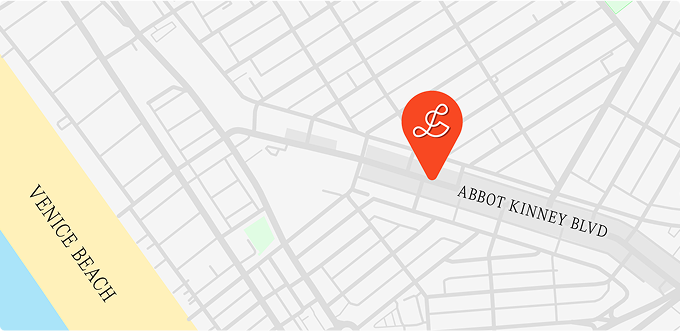
Venice Beach has long been a neighborhood that wears its values. The creative, conscious community along Abbot Kinney and the boardwalk has embraced circular fashion not as a trend but as a lifestyle — and the local boutiques and events reflect that.
At Circular Library, the model is built around the principles that the research above confirms: curated secondhand and circular garments, natural fibers designed to last, and a community-centered approach to clothing that values longevity over novelty. Whether you are a local building a more intentional wardrobe, a tourist looking to take home something with a real story, or simply someone who wants to understand circular fashion in Venice Beach firsthand, this is where that journey starts.
Conclusion: Your Wardrobe, Your Impact
Renting, reselling, and owning mindfully each play a role in building a more circular fashion system. None is a silver bullet — but together, used with intention, they represent a genuine alternative to the disposable fashion culture that is costing the planet so dearly.
If you are ready to experience circular fashion in Venice Beach for yourself, we invite you to visit Circular Library in Venice, Los Angeles. Explore our curated circular collection of quality garments and sustainable cashmere, join our clothing swap events, or simply come in for a conversation about building a wardrobe that lasts. Every conscious choice adds up - and it starts with what you decide to wear today.