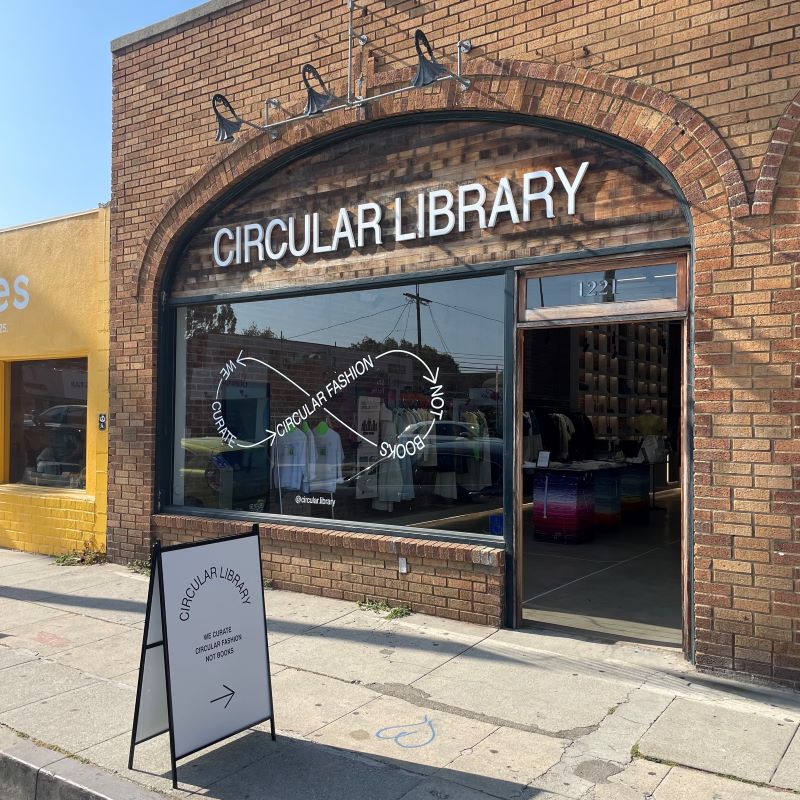
Choosing the right clothing isn’t just about style—it’s about impact. Today, more people are turning to ethical fashion, looking for fabrics that are long-lasting, eco-friendly, and gentle on the planet. At Circular Library, sustainability is woven into every piece we curate, which means understanding materials is essential.
This guide breaks down the best sustainable fabrics—what to look for on tags, how they perform over time, and why these choices matter.
Why Fabric Choice Matters in Ethical Fashion
Not all fabrics are created equal. Some require enormous amounts of water, chemicals, or energy to produce. Others naturally biodegrade or require fewer resources.
When you know how fabrics behave, you can shop better, waste less, and extend the life of your wardrobe—all core values of ethical fashion.
Top Sustainable Fabrics to Look For
1. Organic Cotton: Soft, Breathable & Planet-Friendly
Organic cotton is one of the easiest sustainable swaps because it feels familiar but has a much smaller environmental footprint.
Why It’s Sustainable
-
Grown without toxic pesticides or synthetic fertilizers
-
Uses significantly less water compared to conventional cotton
-
Safer for farmers, soil, and ecosystems
What to Look for on Clothing Tags
-
100% Organic Cotton
-
GOTS Certified (Gold standard for organic production)
-
Labels indicating low-impact or natural dyes
How It Performs Over Time
Organic cotton softens with age and washes well. With proper care, it can last for years without losing structure.
2. Linen: Durable, Lightweight & Naturally Eco-Friendly
Linen is made from the flax plant, one of the most sustainable crops in the fashion world.
Why It’s Sustainable
-
Flax requires very little water
-
Almost the entire plant can be used (minimal waste)
-
Naturally biodegradable and renewable
What to Look for on Tags
-
100% Linen
-
European Flax® Certification
-
"Stonewashed linen" for softer texture
How It Performs Over Time
Linen becomes stronger and softer the more you wear it—making it perfect for long-term wardrobes.
3. Hemp: Strong, Breathable & Built to Last
Hemp is often called the “super fabric” of sustainability.
Why It’s Sustainable
-
Grows quickly with almost no pesticides
-
Regenerates soil and prevents erosion
-
Produces a high fiber yield with minimal water
What to Look for on Tags
-
100% Hemp or Hemp Blends (hemp + organic cotton)
-
Certifications like Oeko-Tex Standard 100 for safe processing
How It Performs Over Time
Hemp softens beautifully while staying extremely durable. It’s ideal for everyday wear and pieces you want to keep for decades.
4. Beyond the Basics: Other Sustainable Fabrics to Consider
-
TENCEL™ (Lyocell)
-
Made from responsibly sourced wood pulp
-
Requires less energy and water
-
Very smooth, breathable, and moisture-wicking
Recycled Cotton & Recycled Polyester
-
Diverts textile waste from landfills
-
Great for casual wear and everyday basics
Bamboo (If Processed Sustainably)
-
Fast-growing plant
-
Look for mechanically processed bamboo, not chemically processed “rayon from bamboo.”
How to Shop Smarter: Quick Tag Checklist
When you pick up a garment, check for:
-
Fiber content (Look for organic cotton, linen, hemp, TENCEL™)
-
Certifications like GOTS, Oeko-Tex, or European Flax
-
Natural or low-impact dyes
-
Blends that prioritize natural fibers
-
Durability clues: stitching quality, fabric weight, and overall construction
These small habits help you make more ethical fashion choices effortlessly.
Conclusion
Choosing the right fabrics is one of the easiest ways to build a wardrobe that’s sustainable, stylish, and long-lasting. Understanding how materials like organic cotton, linen, and hemp perform over time helps you make confident decisions that align with your values.
If you’re ready to start shopping consciously, explore curated, long-lasting pieces at Circular Library. We’re here to guide you toward a more sustainable and meaningful closet.