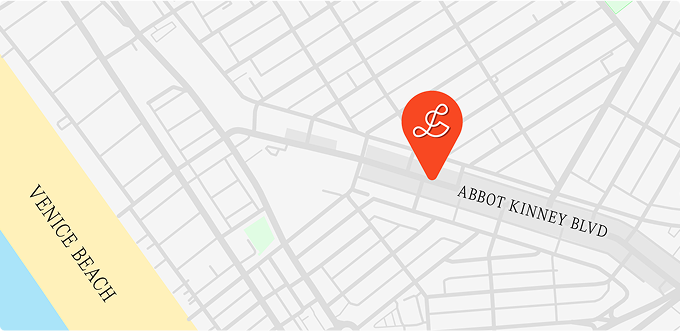
Stepping into a boutique in Venice, Los Angeles, feels like entering a curated world of style and sunshine. But as we move further into 2026, the savvy shopper is looking for more than just a soft touch or a flattering silhouette. The real question on everyone’s mind is: What happens to this garment when I’m done with it?
If you’ve been hunting for high-end knitwear at Circular Library, you’ve likely heard the term fiber-to-fiber recycling. It sounds futuristic, but it’s the cornerstone of a sustainable wardrobe.
Here is everything you need to know about shopping for cashmere that respects the planet as much as your skin.
What is Fiber-to-Fiber Recycling?
In the world of circular fashion, not all "recycled" clothes are created equal. Many brands claim to be green, yet their clothes eventually end up in a landfill because they cannot be processed back into new garments.
Fiber-to-fiber recycling is the gold standard. It describes a closed-loop process where an old garment—like a worn-out sweater—is mechanically or chemically broken down into raw fibers, which are then spun into fresh, high-quality yarn to create a brand-new piece of clothing.
Why 100% Cashmere is the Hero of the Loop
When you are browsing the racks in Venice, check the care label. If it says 100% Cashmere, you are looking at a winner. Pure natural fibers are:
-
Easily Shredded: Mechanical recycling machines can easily pull apart pure animal fibers without destroying their integrity.
-
Re-spinnable: The resulting fluff can be blended with a small amount of virgin cashmere to create a durable, soft, and "new" luxury yarn.
-
Biodegradable: Even if it doesn't make it to a recycling plant, 100% cashmere will eventually return to the earth.
The Blend Trend: Why "Mixed" Isn't Always Better
It’s tempting to grab a cashmere-polyester blend. They are often cheaper and promise "extra stretch" or "durability." However, in 2026, these blends are the biggest hurdle for circular fashion initiatives.
The Problem with Hybrid Fabrics
-
Separation Anxiety: Separating synthetic polyester fibers from natural cashmere is technically difficult and energetically expensive.
-
Quality Degradation: Often, the recycling process for blends results in "downcycling," where the material can only be used for insulation or carpet padding, rather than new clothing.
-
Microplastics: Even during the recycling process, synthetic blends shed microplastics, which goes against the core values of Circular Library.
How to Shop Like a Pro at Circular Library
Whether you are a local or a tourist visiting our Venice, LA location, we want you to feel confident in your investment. Use this checklist to ensure your next purchase supports circular fashion.
1. Read the Label (The 100% Rule)
Always look for mono-materials. A sweater made of 100% of one type of fiber is much more likely to have a second life. Avoid labels that list three or four different types of fibers mixed together.
2. Feel the Tension
High-quality cashmere that is ready for fiber-to-fiber recycling should feel dense. If the knit is too loose, the fibers are shorter and may not survive the recycling process as well in the future.
3. Ask About the Brand's Take-Back Program
A true leader in circular fashion doesn't just sell you a shirt; they help you dispose of it. Ask our staff at Circular Library about how we handle garment end-of-life cycles and which designers offer repair or recycling credits.
Why Venice, Los Angeles is Leading the Change
Venice has always been a hub for innovation, from the skate culture of the 70s to the "Silicon Beach" tech boom. Today, it’s the epicenter of the circular fashion movement in California. Shopping locally at Circular Library means supporting a community that prioritizes the environment without sacrificing the luxury lifestyle Los Angeles is known for.
|
Feature |
100% Cashmere |
Cashmere-Synthetic Blend |
|
Recyclability |
High (Fiber-to-Fiber) |
Low (Usually Landfill) |
|
Longevity |
Decades (with care) |
2-5 Years |
|
Breathability |
Excellent |
Moderate |
|
Circular Fashion Score |
10/10 |
3/10 |
The Environmental Impact of Your Choice
Every time you choose a garment designed for fiber-to-fiber recycling, you are:
-
Reducing Waste: Keeping textiles out of Southern California landfills.
-
Saving Water: Recycled cashmere uses significantly less water than farming new goats in the Gobi Desert.
-
Lowering Carbon Footprint: Mechanical recycling is far less carbon-intensive than producing virgin synthetic fibers.
Frequently Asked Questions
1. Is recycled cashmere as soft as virgin cashmere?
Yes! Modern technology allows circular fashion brands to create recycled yarns that are virtually indistinguishable from virgin wool. In fact, many people find the "broken-in" feel of recycled fibers even more comfortable.
2. Can I recycle my old cashmere blends at Circular Library?
While we advocate for pure fibers, we are always researching new ways to handle blends. We recommend bringing your old knits to our Venice location for a quality assessment to see which stream of circular fashion they best fit into.
3. Why is 100% cashmere more expensive?
You aren't just paying for the material; you are paying for the ability to keep that material in use forever. It is an investment in a garment that can literally be reborn.
Conclusion: Join the Circular Revolution
Choosing the right knitwear is about more than just staying warm; it’s about making a statement on how we treat our planet. By prioritizing 100% cashmere and supporting circular fashion, you ensure that your style has a future.
If you are unsure whether your current wardrobe is sustainable or need a consultation on how to transition to a zero-waste closet, consider visiting us at Circular Library in Venice. We offer personalized guides on how to curate, care for, and eventually recycle your luxury items.