When you touch a piece of luxury knitwear, the softness is undeniable. But lately, savvy shoppers are asking a deeper question: Is this 'Virgin' or 'Recycled' cashmere? As the fashion industry shifts toward transparency, understanding the difference between these two fibers is the first step toward building a conscious wardrobe.
At Circular Library in Venice, Los Angeles, we believe that luxury shouldn't come at the cost of the planet. If you are looking for sustainable cashmere, this guide will help you navigate the labels and make an informed choice.
What Exactly is Virgin Cashmere?
Virgin cashmere refers to fibers that are harvested directly from the soft undercoat of goats for the very first time. While it is prized for its extreme softness and long fiber length, the production process carries a heavy environmental price tag.
The Environmental Cost of Traditional Cashmere
-
Overgrazing: To meet global demand, goat herds have expanded rapidly, leading to desertification in regions like Mongolia.
-
High Water Usage: Cleaning and processing raw wool requires significant amounts of water and energy.
-
Carbon Emissions: The mechanical processing stages—from scouring to spinning—contribute to a notable carbon footprint.
The Rise of Recycled Cashmere
If you want the luxury feel without the environmental guilt, sustainable cashmere made from recycled fibers is the modern solution. Recycled cashmere is created by taking existing cashmere garments or factory offcuts, shredding them down, and re-spinning them into new yarn.
Why It’s the Greener Choice
Recycled cashmere (often GRS-certified, or Global Recycled Standard) has a significantly lower carbon footprint because it bypasses the most damaging stages of production:
-
No Grazing: It eliminates the need for more livestock, protecting fragile ecosystems from desertification.
-
Less Processing: Since the fibers are already processed, the energy required to create new yarn is slashed.
-
Waste Reduction: It keeps high-quality materials out of landfills, promoting a circular economy.
Comparing the Two: Quality vs. Impact
A common misconception is that sustainable cashmere is less "luxurious" than virgin wool. While recycled fibers are slightly shorter due to the shredding process, modern technology allows us to create blends that are just as soft and durable.
|
Feature |
Virgin Cashmere |
Recycled (Sustainable) Cashmere |
|
Fiber Length |
Long and fine |
Shorter (often reinforced with virgin or organic fibers) |
|
Durability |
High |
High (when sourced from quality suppliers) |
|
Carbon Footprint |
High |
Significantly Lower |
|
Certifications |
SFA (Sustainable Fibre Alliance) |
GRS-certified (Global Recycled Standard) |
How to Shop for Sustainable Cashmere in Venice, LA
If you are a local or a tourist strolling through Venice, Los Angeles, you are in the heart of the conscious fashion movement. Here is how to ensure your next purchase is truly sustainable cashmere:
1. Look for the GRS Label
The Global Recycled Standard (GRS) is the gold standard. It ensures that the recycled content is tracked from start to finish and that social and environmental practices were met during production.
2. Check the Blend
To maintain the integrity of a garment, some brands blend recycled cashmere with a small percentage of virgin wool. This isn't a bad thing—it actually helps the garment last longer, which is a key pillar of sustainable cashmere.
3. Feel the Texture
Don't be afraid to get hands-on. High-quality recycled cashmere should still feel buttery soft. If it feels scratchy, the fibers may have been over-processed.
Why Circular Library Chooses Recycled
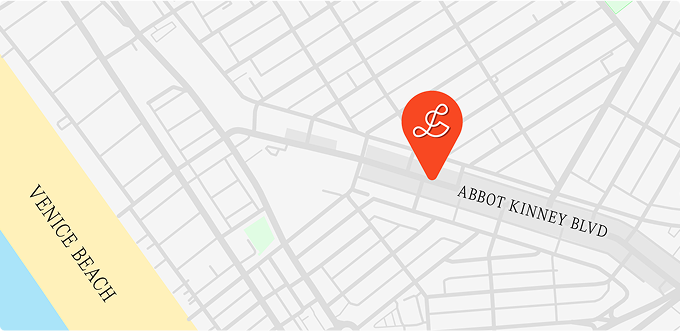
Located in the vibrant community of Venice Beach, Circular Library was founded on the idea that fashion should be a closed loop. We curate pieces that prioritize sustainable cashmere because we’ve seen the impact of the "take-make-waste" model firsthand.
By choosing GRS-certified recycled materials, we help our community reduce their environmental impact one sweater at a time. Whether you’re a local resident or a tourist looking for a meaningful souvenir, choosing recycled is a vote for a better future.
Maintenance Tips for Your Cashmere
Regardless of whether you choose virgin or sustainable cashmere, taking care of your pieces will extend their life and reduce the need for new purchases.
-
Hand Wash Only: Use cold water and a gentle wool detergent.
-
Dry Flat: Never hang cashmere, as it will stretch out of shape.
-
Pilling is Normal: Use a cashmere comb to gently remove pills from high-friction areas.
-
Store Correctly: Keep your knits in breathable bags to protect them from moths.
Conclusion
Understanding the difference between virgin and recycled fibers is essential for anyone interested in sustainable cashmere. While virgin wool offers traditional luxury, recycled cashmere provides a path toward a healthier planet by reducing carbon emissions and preventing land degradation.
If you are looking to upgrade your wardrobe with pieces that are both stylish and eco-friendly, we invite you to visit us. At Circular Library in Venice, Los Angeles, we offer curated selections and guides on how to transition to a more circular lifestyle. If you need help choosing the right fit or want to learn more about our GRS-certified collections, come say hello or browse our online resources.