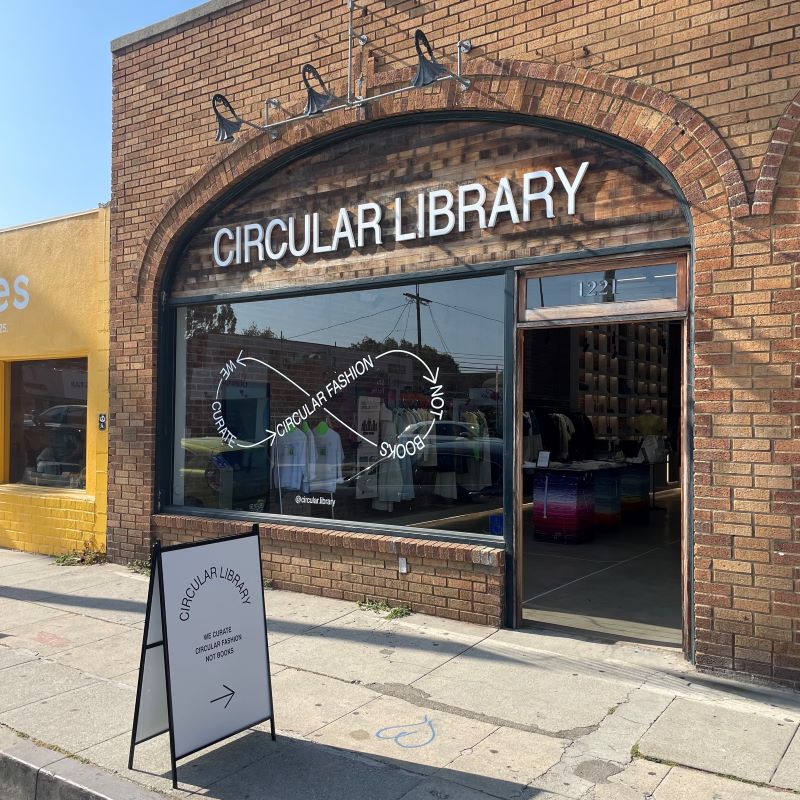
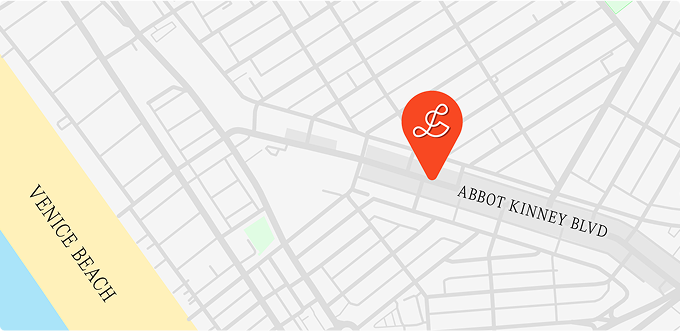
The world of sustainable fashion is filled with terms like recycling, upcycling, and reusing—but most shoppers aren’t sure where the lines actually are. At Circular Library in Venice, Los Angeles, these ideas shape everything we curate, repair, and redesign. Understanding these differences not only helps you become a smarter shopper but also helps you make choices that genuinely reduce waste.
Below, we break down what each term means using real examples from Circular Library’s inventory, including our upcycled denim pieces, recycled fiber garments, and carefully selected pre-loved finds.
What Is Recycling in Fashion?
Recycling in fashion means breaking down old textiles into raw materials so they can be spun into new fibers. These fibers are then used to make completely new fabric.
How Fashion Recycling Actually Works
-
Old garments are collected
-
Materials are shredded into fibers
-
Fibers are respun into yarn
-
Yarn becomes new fabric
-
Fabric becomes a new garment
This process works especially well for cotton, wool, and synthetic blends.
Real Example at Circular Library
We often stock pieces made from recycled fibers—such as tees created from recycled cotton blends or jackets made with recycled polyester. These pieces keep textile waste out of landfills and require fewer natural resources than making new fabric.
What Is Upcycling in Fashion?
Upcycling is the creative transformation of existing garments into new, often more stylish pieces without breaking them down into raw materials. It’s a design-driven process that gives clothing a second life.
Why Upcycling Matters
-
Reduces fabric waste
-
Cuts energy use
-
Encourages creativity
-
Extends a garment’s life
Upcycling is also a core part of Circular Library’s identity. Many of our pieces are crafted by local LA creators who reconstruct garments into modern, wearable art.
Real Example at Circular Library
One of our best-selling categories is upcycled denim. Using vintage jeans, fabric offcuts, or damaged denim, creators stitch, patch, dye, and rework them into:
-
Patchwork jeans
-
Reconstructed jackets
-
Two-tone denim skirts
-
Hand-dyed denim tops
These unique pieces are often produced in small batches and align with our mission of promoting creativity and circularity in Venice’s fashion culture.
Bonus Tip
We also host upcycling workshops where customers learn how to transform their own garments using stitching, patching, and creative mending techniques.
What Does Reusing Mean in Fashion?
Reusing is the simplest and most eco-friendly option: wearing clothes again exactly as they are, without breaking them down or altering them.
This includes:
-
Shopping pre-loved
-
Donating instead of discarding
-
Repurposing within your wardrobe
At Circular Library, reusing is deeply connected to our curated selection of high-quality pre-loved clothing that still has decades of wear left.
Real Example at Circular Library
Many items in our store are selected because they are:
-
Well-constructed
-
Timeless in style
-
Made from durable fabrics
-
Easily styled with modern pieces
A simple vintage linen shirt or a classic wool blazer can transition effortlessly from one wardrobe to another—no remaking required.
Quick Comparison Chart
|
Process |
What Happens |
Example from Circular Library |
Environmental Impact |
|
Recycling |
Breaks down textiles into fibers |
Recycled-fiber tees |
Moderate–high savings |
|
Upcycling |
Creatively redesigns garments |
Upcycled denim jackets |
Very high waste reduction |
|
Reusing |
Wears garments as-is |
Pre-loved vintage pieces |
Highest impact (least energy) |
Conclusion
Understanding the difference between recycling, upcycling, and reusing helps you make decisions that truly support the planet. Whether you're buying recycled fibers, exploring upcycled denim, or choosing high-quality pre-loved clothing, every choice reduces waste and promotes circularity.
If you’re ready to explore sustainable options or want to learn more through our upcycling workshops, visit Circular Library. We’re here to guide you toward smarter, stylish, and eco-friendly choices.